
Think Essential Oils Are Safe For Your Pet? Think Again!
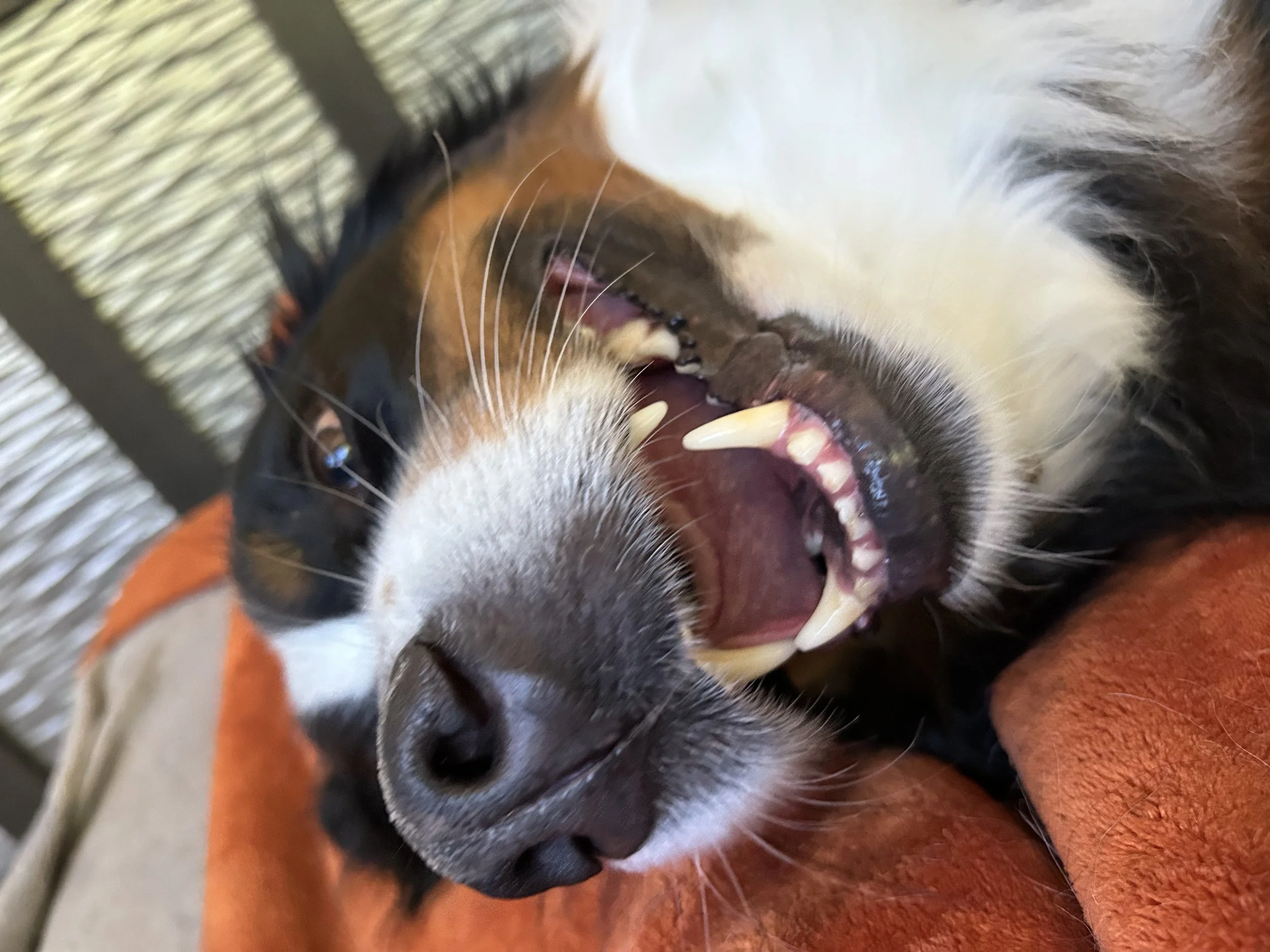
It’s scary how many essential oil sets are marketed as “pet safe” when essential oils can actually be harmful to our pets.
I know it’s tempting to break out all the holiday smelling items in your house, just please keep this blog in mind before utilizing all your essential oil blends.
Essential oils are highly concentrated, and both dogs and cats can have toxic reactions to certain oils, especially if they are ingested or get directly onto the skin or coat.
What about diffusers? This is where things get a little more complicated.
Using a diffuser doesn't automatically mean your pet is going to be poisoned. The risk depends on the oil, concentration, ventilation, length of exposure, and how the diffuser works. However, pets have much more sensitive noses than we do, and inhaled oils can cause respiratory irritation. Pets with breathing problems may be especially vulnerable.
My advice? When it comes to pets, it's safest to skip the essential oil diffuser altogether. Or at the very least, keep pets out of the room and make sure the space is well ventilated.
Cats are especially sensitive. Cats have a harder time metabolizing certain compounds found in essential oils, and because they're constantly grooming themselves, oil that gets onto their coat can eventually be swallowed.
Some essential oils that can be toxic to pets include:
Tea Tree / Melaleuca
Cinnamon
Citrus
Pine
Peppermint
Wintergreen
Clove
Eucalyptus
Ylang Ylang
Pennyroyal
Sweet Birch
This isn't an exhaustive list, and “natural” doesn't automatically mean safe for pets. Toxicity can vary depending on the specific oil, concentration, and how your pet is exposed.
The safest rule of thumb? Don't put essential oils directly on your pet, and keep concentrated oils safely out of reach.
And if you think your pet has gotten into an essential oil or is showing symptoms after exposure, contact your veterinarian or a pet poison service right away.