
What You Need To Know About Matting
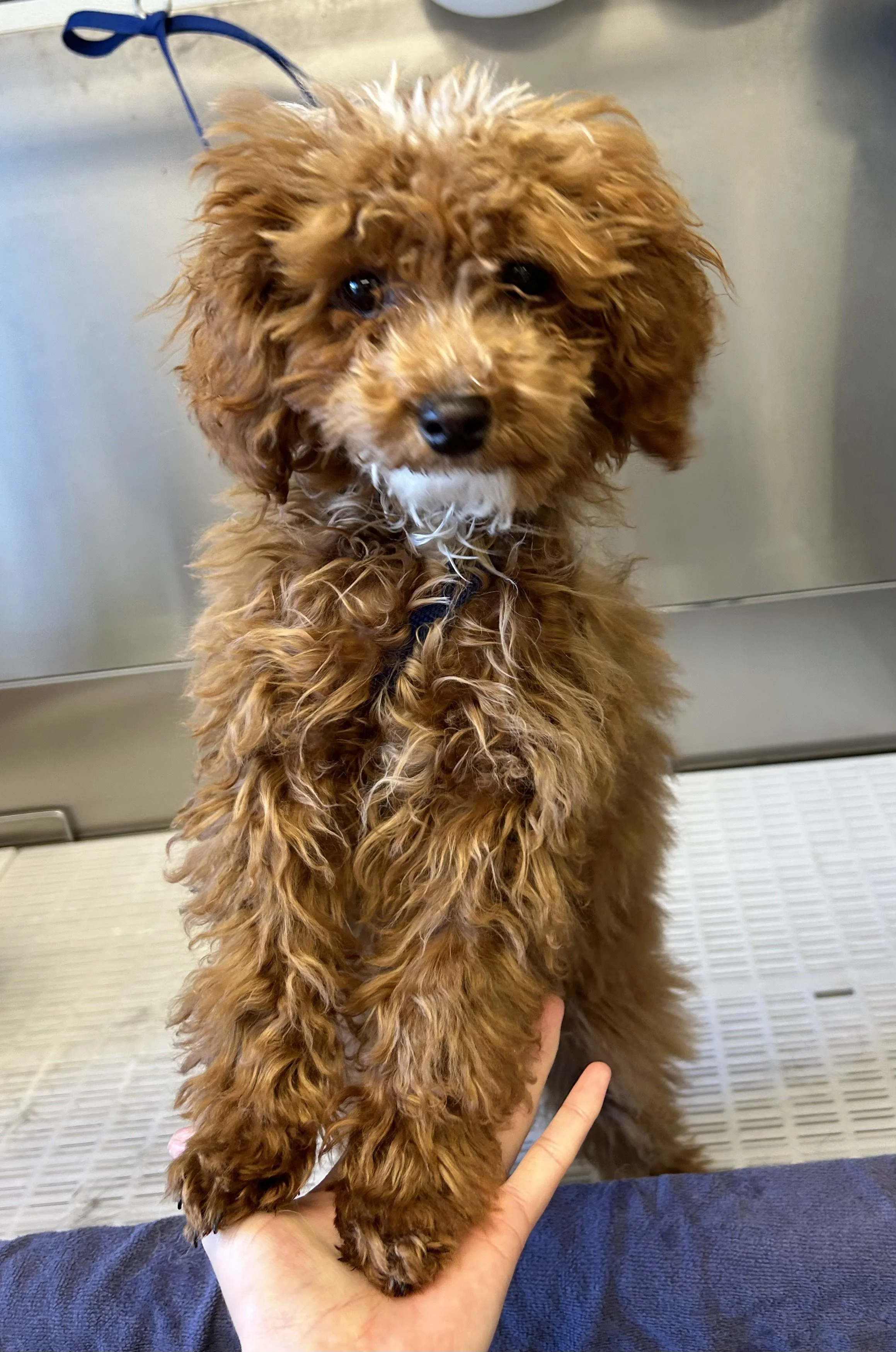
Keeping your pet "mat-free isn’t just about aesthetics. It’s actually about keeping them pain free and healthy.
So what exactly is a mat? A mat forms when loose hairs become tangled and compacted together instead of being brushed or shed away. They can happen especially easily in long, curly, fine, or dense coats. Areas that experience friction, like behind the ears, under the legs, around collars and harnesses, and between the toes, are particularly prone to matting. All it takes is a small tangle to get a mat going if left to grow.
This is the piece a lot of pet owners don’t know: mat’s hurt!
Imagine having a tiny handful of your hair constantly pulled in the same direction. That's essentially what can happen with a tight mat. As the coat becomes more compact, it can pull on the skin underneath. Every time your pet moves, the mat can tug against them. A mat under a leg, for example, can pull every time the leg moves. A mat behind the ear can tug whenever your pet scratches or moves their head. It's not just tangled hair. It's hair that's attached to skin that's being pulled. When left long enough, it can even start to bruise their skin…
Mats also have a nasty habit of hiding what’s underneath, whether that’s moisture, dirt and debris, dead skin, urine or feces, fleas and other parasites, or foxtails. That warm, damp environment can contribute to skin irritation and infection. And because the coat is covering everything up, a pet parent may not realize there's a problem until the mat is removed.
Don’t forget to check your cats too! While cats are excellent groomers, it doesn't mean every cat can keep their coat mat-free forever, especially the long haired kitties. Older, overweight, arthritic, or otherwise less-mobile cats may have a harder time grooming certain areas. And because cats are very good at hiding discomfort, you may not realize a mat is bothering them until it's become quite severe.
With small enough mats, it is entirely possible to brush it out, yes! However, a brush and a whole lot of force are not the method to keep it a painless and comfortable experience for your pet.
Trying to rip through a tight mat can pull painfully on the skin underneath and turn grooming into a really unpleasant experience for your pet, and in turn, make it very difficult for your groomer in the future if your pet learns to dread the experience.
If a mat is tight against the skin, widespread, or difficult to remove safely, that's a good time to call a professional groomer. Sometimes the kindest option is simply to clip the mat out rather than spend a long time pulling and brushing at painful tangles. And that's okay! A short, comfortable haircut is better than keeping a long coat that is causing your pet pain.
A quick brushing reminder: You don't necessarily need an elaborate grooming routine to prevent every mat. The biggest thing is consistency. Regularly run your hands through your pet's coat and check the areas that tend to tangle. For dogs, pay special attention to behind the ears, armpits, legs, collar/harness areas, and anywhere the coat is particularly thick or curly. For cats, check behind the ears, around the neck, armpits, belly, and back legs.
If your pet has a long or curly coat, regular professional grooming can also make keeping up with their coat much easier.
The bottom line is that matting isn't just about whether your pet looks fluffy or messy. A mat-free coat is a comfort and health issue.
And if your pet is already severely matted, please don't feel guilty or embarrassed. You're not a bad pet parent. Just get them comfortable and start fresh.
Your pet doesn't care whether their haircut is perfect. They care about whether they're comfortable in their own skin!