
Toy Swap
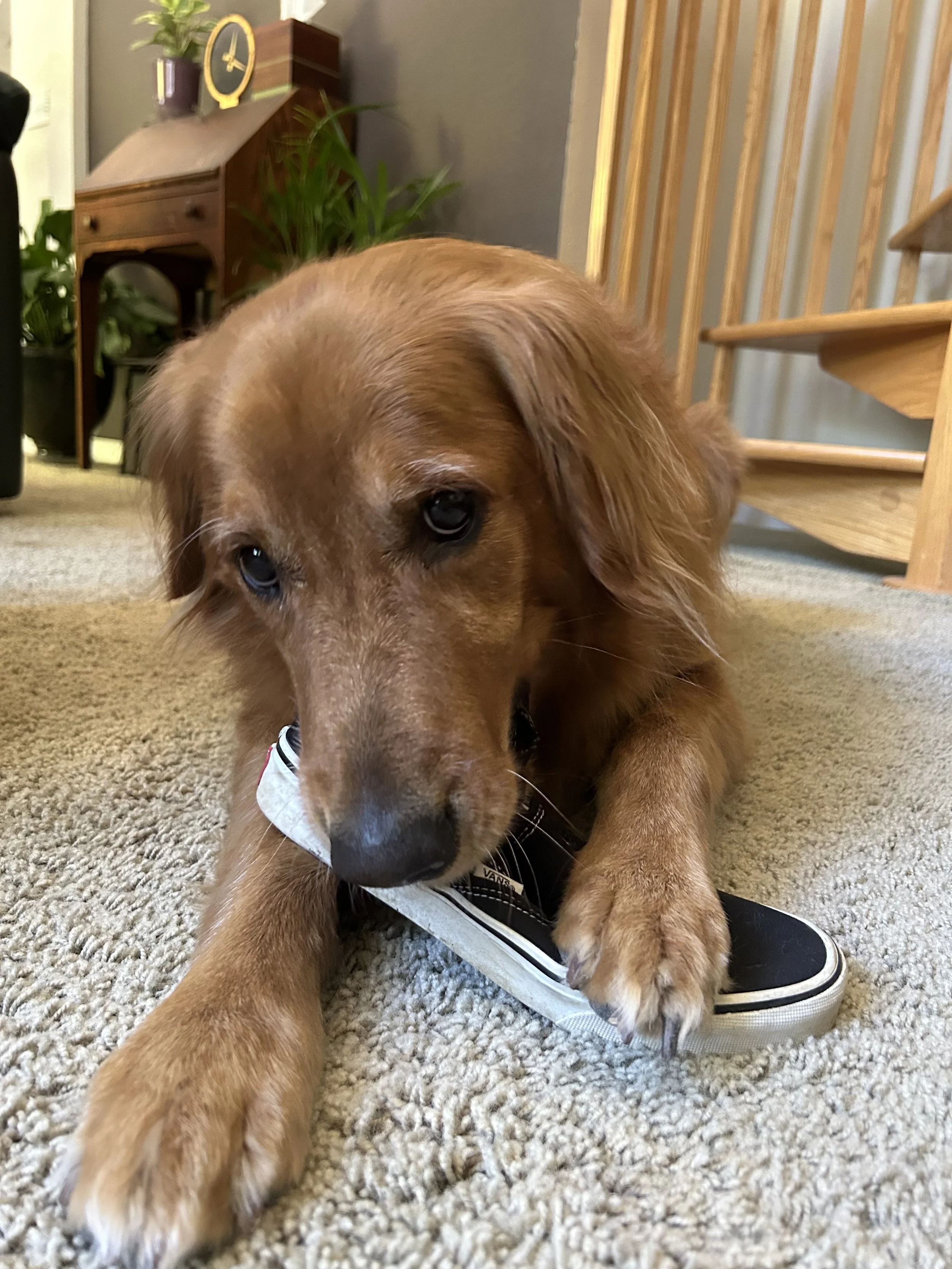
We all have that one toy our pets absolutely love, the one that's been carried around the house, slept with, chewed on, and somehow survived for months or even years. But when was the last time you actually looked closely at it? Even a favorite toy that started out perfectly safe can become a hazard as it wears down.
Regularly inspect your pet's toys for loose pieces, torn fabric, exposed stuffing, broken squeakers, frayed ropes, or small pieces that could be swallowed. If your pet is an enthusiastic chewer, pay especially close attention to rubber toys and anything they can easily break apart. What was once a fun toy can become a choking hazard or cause an intestinal blockage once pieces begin coming loose.
Different toys also have different risks. Rope toys can become dangerous when strands are pulled loose and swallowed, while stuffed toys can expose stuffing or squeakers once they're torn open. Even hard rubber or plastic toys can develop cracks or sharp edges over time. A toy doesn't have to look completely destroyed to be worth replacing.
How often you need to inspect toys depends on your pet. A gentle chewer may be able to enjoy the same toy for a long time, while a determined chewer may turn a brand-new toy into a pile of pieces in minutes. Make it a habit to quickly check toys whenever you pick them up, and give their favorites a more thorough inspection every so often.
And don't feel bad about retiring a beloved toy! If your pet has a strong attachment to it, replacing it with a similar new version can help make the transition easier. Keeping a few safe, well-maintained toys available is much better than letting your pet continue playing with one that's starting to fall apart.
A little inspection can go a long way toward preventing an avoidable emergency. Your pet may not know when their favorite toy has become unsafe, but you can!