
Cat Whiskers and Bowls
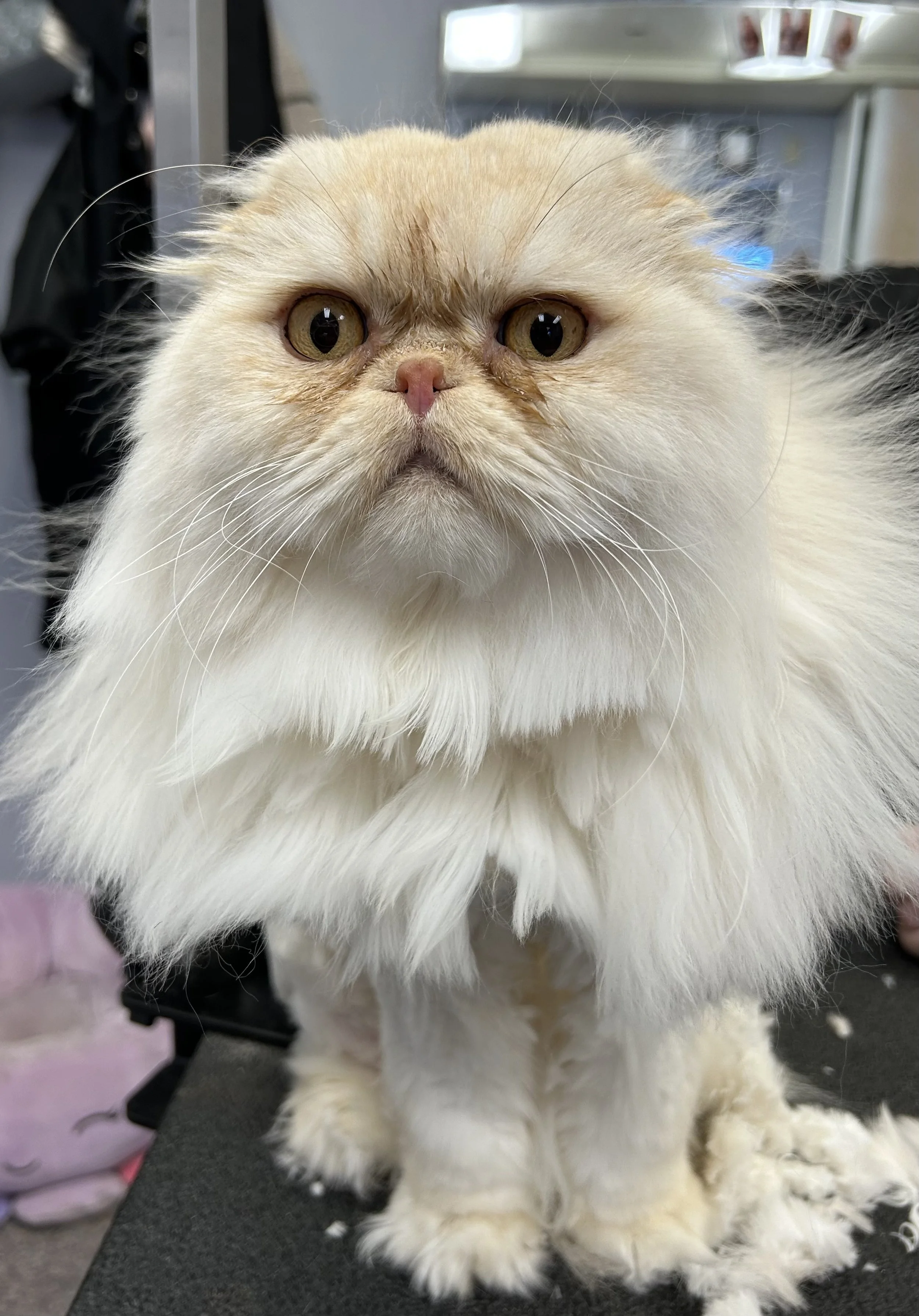
Have you ever watched your cat eat and thought, “Why are you taking the food out of the bowl just to eat it off the floor?” Or maybe your cat paws at the water and spills it everywhere.
Sometimes, the issue may be as simple as the bowl itself.
What Do Whiskers Have to Do With Food Bowls?
A cat’s whiskers are much more than cute facial accessories. They are highly sensitive sensory tools that help cats understand their surroundings.
Whiskers can detect nearby objects, changes in air movement, and information about spaces around their face. Because the whiskers are so sensitive, some cats may dislike having them repeatedly brush against the sides of a narrow or deep bowl.
This is sometimes referred to as “whisker stress” or “whisker fatigue.” However, it’s important to remember that this isn’t a clearly established medical condition, and not every cat is bothered by bowl contact.
Still, if your cat seems uncomfortable at mealtime, the bowl may be worth considering.
Signs Your Cat May Prefer a Different Bowl
Some cats may:
Pull food out of the bowl before eating
Eat only from the center of the dish
Leave food around the edges
Seem frustrated or hesitant while eating
Paw at food or water
Prefer eating from a plate or flat surface
Drink from puddles, cups, or other containers instead of their bowl
These behaviors can have several explanations, so they don’t automatically mean your cat’s whiskers are the problem. But switching bowls is an easy, low-risk thing to at least try first!
So What Makes a Bowl More Whisker-Friendly?
Choose wide and shallow - A wide, shallow bowl or small plate gives your cat more room to eat without pressing their whiskers against the sides.
Look for a comfortable shape - Some cats prefer a flat ceramic plate, while others like a shallow bowl with gently sloped sides. The best choice depends on your individual cat.
Consider the material - Ceramic, stainless steel, and glass are often practical choices because they can be cleaned thoroughly. Whatever material you choose, make sure it is sturdy, smooth, and free from cracks or damaged areas.
Keep water easy to access - Cats can be particular about water. A wide water dish may help some cats feel more comfortable, while others may prefer a fountain or multiple water stations around the home.
Fresh water and clean bowls are important, too. A bowl that smells stale or has a slimy buildup may be less appealing to your cat.
So does my cat need a “whisker-friendly” bowl?
Not necessarily. If your cat is eating, drinking, and behaving normally, their current setup may be perfectly fine! But if your cat seems to struggle with mealtime, a wider dish is a simple experiment. Let your cat’s behavior guide your decision!
Important Reminder
Changes in eating or drinking habits can sometimes point to dental pain, nausea, illness, or another medical issue. If your cat suddenly stops eating, has difficulty chewing, drools, loses weight, or shows a major change in appetite or drinking, contact your veterinarian.
A new bowl may help with comfort, but it shouldn’t replace checking out a possible health problem.